Better hygiene, longer shelf life
When your great grandmother purchased a piece of cured meat from the butcher or delicatessen, chances are it was wrapped in a sheet of plain paper, or even newspaper. The primitive paper packaging protected that precious slice of bacon, ham or beef until it was safe in the larder - to be eaten within a day, or two at the most.
Later, plain paper was replaced by sturdier grease-proof paper, which not only shielded the product from the elements, but the elements from the product. Plain and grease-proof paper provided only rudimentary barrier properties, however, and did little to protect food products from bacteria and extend their shelf life. So with the development of cellophane film and, later, Polyethylene, paper packaging gradually went the way of the old-fashioned corner butcher shop and deli. |
 |
The right packaging for the best results
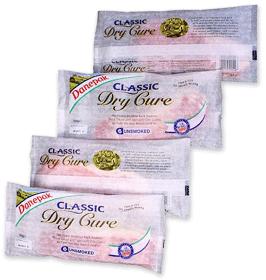
In the 1990's, organic products and products symbolizing the superior quality of an earlier, slower, era began to win impasse with modern consumers. Packaging became an increasingly important element for increasing sales - and profitability. And Scandiflex began to work on innovative new packaging that protected like plastic, yet lent a feeling of natural, old-fashioned quality to organic and premium goods. |
 |
Formable paper trays - quality that sells
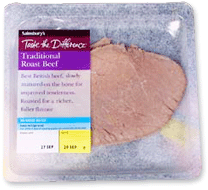
Important wholesalers and retailers started realizing the value that Scandiflex's paper laminate and paper-look plastic added to premium products. So once again, ”paper” wrapped the best of the best - from top-of-the-line bacon to the finest cheeses.
With Scandiflex's latest development, formable paper, products traditionally packaged in trays now join the growing list of first-class foods whose success is heightened by paper packaging signalling the highest quality and the finest products to discerning consumers.
|
|
|

 For more information please contact us at